
Electrophysiology
Canadian Heart Rhythm Society (CHRS)
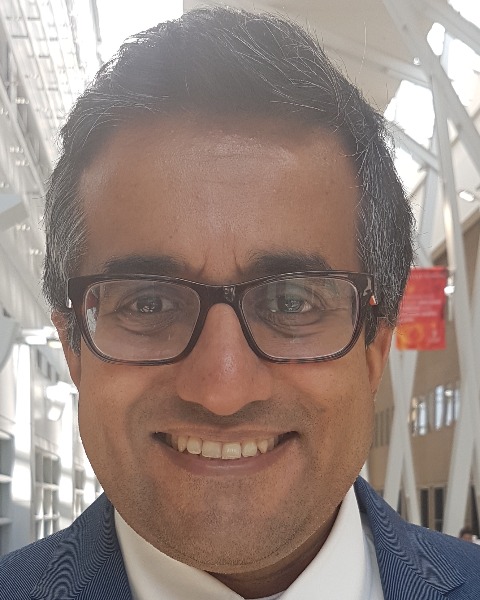
Satish Raj, MD MSCI FRCPC (he/him/his)
Cardiac Electrophysiologist
Libin Cardiovascular Institute
University of Calgary
.jpg "Paula Harvey, BMBS PhD (she/her/hers) photo")
Paula Harvey, BMBS PhD (she/her/hers)
Physician in Chief Department of Medicine, Women's College Hospital
University of Toronto
University of Toronto
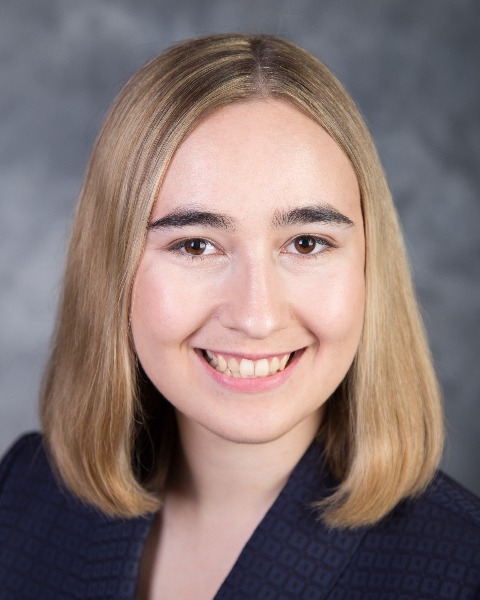
Kate Bourne, PhD MD(candidate)
Medical Student
University of Calgary

Praloy Chakraborty, MD MSc (he/him/his)
Assistant Professor
Toronto General Hospital and University Health Network
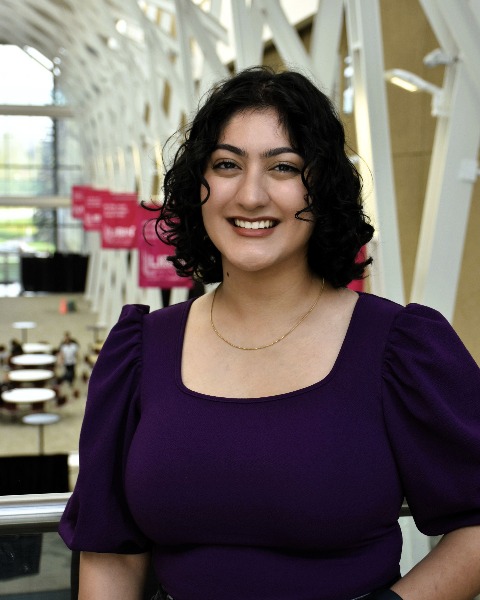
Rashmin Hira, BSc, BA
PhD Student
University of Calgary

Tosin Osuntokun, MD (she/her/hers)
Assistant Professor, Department of Medicine, Division of Cardiology
University of Toronto
Women's College Hospital, University of Toronto
Satish Raj, MD MSCI FRCPC (he/him/his)
Cardiac Electrophysiologist
Libin Cardiovascular Institute
University of Calgary
Colette Seifer, MB (Hons), FRCP (UK)
Cardiologist
University of Manitoba/St Boniface Hospital
University of Manitoba
Praloy Chakraborty, MD MSc (he/him/his)
Assistant Professor
Toronto General Hospital and University Health Network

Tarek Hatoum, MD
Cardiologist
AHS/ HHI
Tosin Osuntokun, MD (she/her/hers)
Assistant Professor, Department of Medicine, Division of Cardiology
University of Toronto
Women's College Hospital, University of Toronto
Kate Bourne, PhD MD(candidate)
Medical Student
University of Calgary
Satish Raj, MD MSCI FRCPC (he/him/his)
Cardiac Electrophysiologist
Libin Cardiovascular Institute
University of Calgary
Tarek Hatoum, MD
Cardiologist
AHS/ HHI
Lucy Lei, MD MSc
Medical Student
Satish Raj, MD MSCI FRCPC (he/him/his)
Cardiac Electrophysiologist
Libin Cardiovascular Institute
University of Calgary
Workshop Description: Postural orthostatic tachycardia syndrome (POTS) is an important clinical problem that is currently poorly managed. Due to the hallmark “orthostatic tachycardia”, these patients are seen most frequently by cardiologists. The importance of this clinical problem is evidenced by the 2020 Canadian Cardiovascular Society Position Statement on Postural Orthostatic Tachycardia Syndrome and Related Disorders of Orthostatic Intolerance.
Even since the CCS Position Statement, there are new data to inform the optimal management for patients with POTS. There has been a study of high vs. low dietary salt intake, studies on the use of lower body compression in POTS, and some exciting emerging data on the use of non-invasive trans-auricular vagal nerve stimulation to treat POTS. This information will be useful to the physicians and nurses who are struggling to care for these patients with POTS.
In this workshop, we will use a case presentation to focus the discussion. We will then give a brief overview of POTS and its diagnosis and then dive into treatment options with a more detailed and practical focus on non-pharmacological treatments, in addition to a pharmacological overview.
The topic is directly relevant to clinical care in daily practice. Many cardiologists struggle to optimally manage patients with POTS. We hope that the participants will leave the workshop with an enhanced appreciation of, and specific skills to manage, patients with POTS. These could immediately translate to improved patient care in the clinic.